
Inner Soles for Shoes: Fit, Support and Replacement Guide
Inner soles for shoes, usually called insoles, sit inside the footwear under the foot. They may be the original removable liner or an added replacement intended to change cushioning, volume or feel. An insole can fine-tune a suitable shoe, but it cannot reliably correct the wrong length, a narrow toe box, a broken heel or a worn outsole.
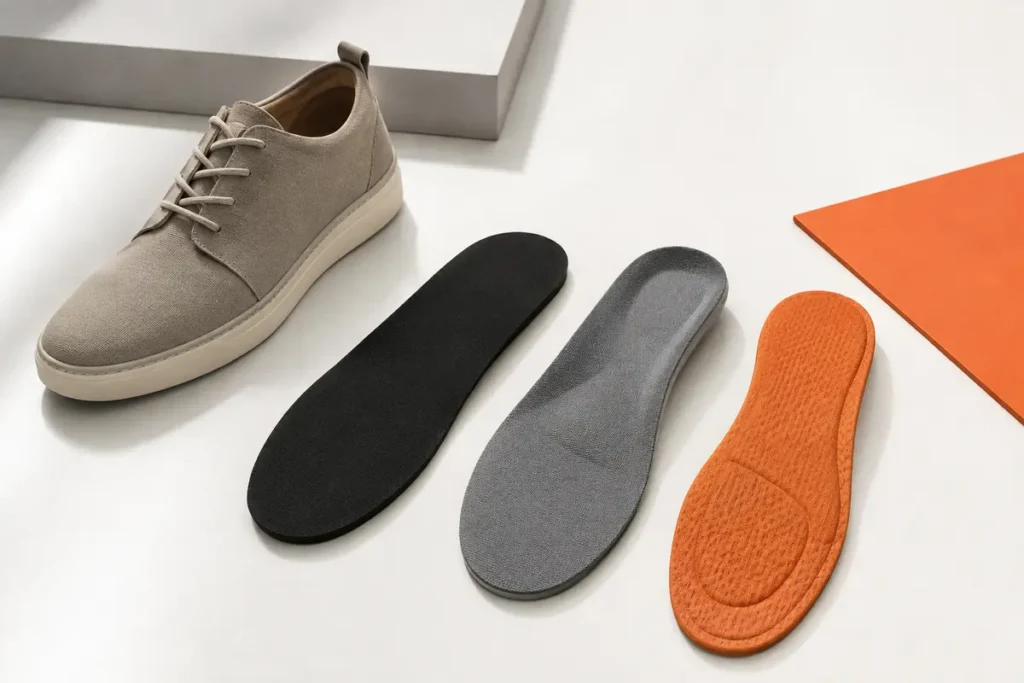
inner soles for shoes: identify the structure
An insole is the top internal layer that contacts the foot. Some are flat fabric-covered foam; others are shaped with heel cups, arch contours or metatarsal features. Custom orthoses are different: they are prescribed or made for an individual by a qualified professional.
Cushioning, support and medical correction are not the same. A soft foam insert may change pressure sensation but also reduce internal space. A firm contoured insert may require a compatible shoe. Marketing language should not be treated as diagnosis or treatment evidence.
- Replacement liner: A thin insert that replaces a worn or damaged removable sockliner without greatly changing the shoe\’s volume.
- Cushioned insole: Adds soft material underfoot. Thickness can raise the heel and crowd the toe box.
- Contoured everyday insole: Uses a shaped heel and arch area. It must sit flat and feel compatible with the foot and shoe.
- Custom orthosis: A personalised device supplied through a qualified clinician for a defined need. It should not be confused with a generic retail insert.
Fit and movement checks
Remove the original liner only if it is designed to come out and the new product instructions allow replacement. An added insole should lie flat without curling, bunching or sliding. The shoe must still hold the heel and leave enough toe depth.
- Place the new insole against the original to compare length, width and heel shape before trimming.
- Insert it fully and check that no edge lifts or folds.
- Stand and confirm toes are not pushed against the upper by lost internal height.
- Walk indoors and check heel hold, pressure points and movement.
- Introduce unfamiliar contour gradually only as directed, and stop if it causes persistent pain or skin irritation.
Start with measured foot length and the Shoezhub size guide, then follow the exact product chart. Last shape, width, lining, lacing and socks can make the same printed size fit differently.
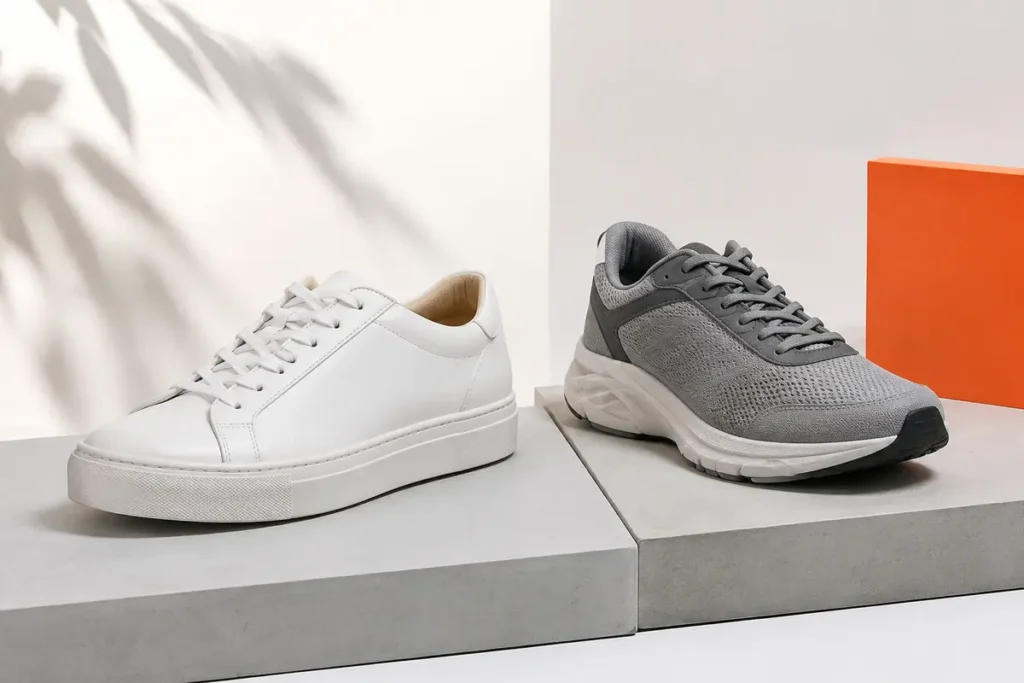
Use an insole for a defined, limited purpose
A thin replacement can refresh a removable liner, while a volume-adjusting insert may help a slightly spacious shoe. Extra cushioning may suit some casual use, but stacking multiple insoles can make the shoe tight and unstable. Follow the product instructions.
For ongoing foot pain, diabetes-related risk, altered sensation, repeated injury or a prescribed device, seek qualified clinical advice. A retail insole article cannot identify the cause or select treatment for an individual.
Materials, care and useful limits
Remove removable insoles to air when appropriate, and follow their washing instructions. Many foam or bonded products should not be soaked or exposed to high heat. Reinsert only when completely dry.
Replace an insole when it tears, curls, compresses unevenly, develops persistent odour despite proper care or no longer lies flat. Also inspect the shoe; a fresh insert does not repair structural wear.
What to verify before ordering
Check dimensions, thickness, whether trimming is allowed, shoe-type compatibility and care instructions. Treat claims such as pain relief or orthopedic carefully and look for appropriate evidence and professional guidance when health needs are involved.
- Read the stated upper, lining and outsole materials.
- Check side, rear, top and sole photographs.
- Confirm closure, heel or sole height and intended use.
- Review returns and exchanges before outdoor wear.
- Check current shipping and delivery information before checkout.
Shoezhub does not currently claim a specialist insole catalogue, so this guide is general educational information. Check the live Shoezhub catalogue rather than treating an educational article as a stock promise.
A practical planning note
When comparing insoles, measure the removable liner from the actual shoe rather than relying only on shoe size. Note heel width, forefoot width and thickness at the toe. Keep the original liner until the trial is complete. If trimming is permitted, remove very small amounts and check repeatedly; material cannot be restored. Use the insert first in one compatible pair instead of moving it between shoes with very different internal shapes.
Common mistakes to avoid
An insole changes the space and geometry inside a shoe. Avoid these errors when adding one.
- Stacking a new insert over the original liner without checking the product instructions and remaining toe depth.
- Using a thick cushion to correct a shoe that is much too long or wide.
- Trimming aggressively before confirming heel placement and the correct cutting line.
- Continuing despite new pain, numbness, skin irritation or pressure because the packaging uses a medical-sounding claim.
A short indoor trial, accurate product information and a realistic view of the route usually reveal these problems before the pair is committed to outdoor wear.
Questions shoppers ask about inner soles for shoes
Can I put new insoles on top of old ones?
Usually the original removable liner is replaced rather than stacked, but follow the specific product and shoe instructions. Stacking reduces space and can change fit.
Do insoles make shoes smaller?
They reduce internal volume, especially thick or contoured designs. Check toe depth, heel position and lacing after installation.
Can an insole fix shoes that are too big?
It may fine-tune a slightly spacious fit, but it cannot safely correct excessive length, poor width, heel shape or unstable construction.
When should I see a professional?
Seek qualified advice for persistent pain, numbness, wounds, recurring injury, diabetes-related concerns or when a clinician has prescribed an orthosis.
Choose according to purpose
Use an insole only when the purpose is clear and the shoe remains correctly fitted. Compare the new layer with the original, check volume and walk indoors. If the insert creates new pressure or tries to rescue a fundamentally wrong shoe, choose another solution.
Related guides: Sneakers vs Joggers: What Is the Difference? and Shoezhub Shoe Size Guide.
Sources and review notes
Fit and general shoe-selection points are based on guidance from the American Academy of Orthopaedic Surgeons and Guy’s and St Thomas’ NHS Foundation Trust. This article is general education, not personalised medical advice. Persistent pain, altered sensation or injury should be discussed with a qualified healthcare professional.