
Walking Shoes in Pakistan: Comfort, Support and Everyday Fit
Good walking shoes in Pakistan should make repeated daily steps feel secure and natural. A fashionable upper or thick sole does not automatically provide comfort. The shape of the toe box, heel hold, cushioning, flexibility and grip all matter, especially when a day includes commuting, standing, errands and mixed indoor and outdoor surfaces.
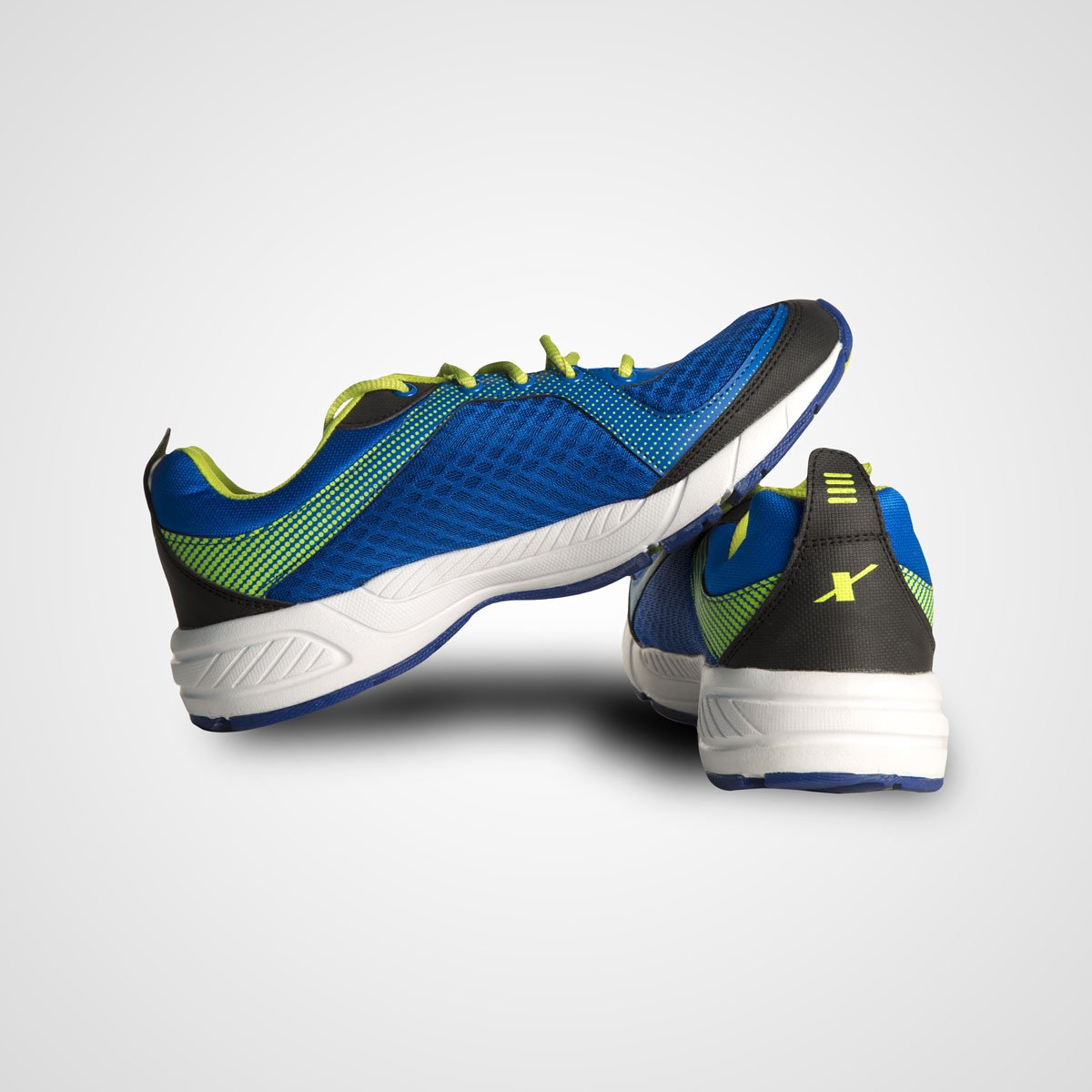
What makes a shoe suitable for walking?
Walking usually follows a heel-to-toe motion at a lower impact than running, but the shoe still repeats the same movement hundreds or thousands of times. A useful walking shoe bends near the forefoot, holds the heel and provides a stable base. It should not twist excessively through the middle or force the foot into an uncomfortable shape.
The right construction depends on the route. A lightweight shoe may suit office corridors and smooth pavements, while a more covered upper and durable outsole may be helpful for dusty streets or long outdoor days. Select for actual use rather than buying the thickest or softest option available.
Fit is the first comfort feature
Measure both feet while standing and compare the larger measurement with the chart for the exact product. Feet can change over time, and two brands using the same stated size may still use different shapes. Width, instep volume and toe design can make the difference between a comfortable pair and a pressure point.
- Wear the socks you normally use for walking.
- Check that the heel stays in place without hard rubbing at the collar.
- Make sure the toes are not touching the front or pressed together.
- Walk on a clean indoor surface and notice any sliding, pinching or uneven pressure.
- Test both shoes because one foot may be slightly larger than the other.
Review the Shoezhub size guide before ordering, but give priority to product-specific measurements whenever they are available.
Support should feel stable, not restrictive
A shoe can support the foot without feeling rigid. The heel counter should help control movement, while the forefoot should flex where the toes bend. An overly flexible middle can feel unstable during long walks, but a shoe that barely bends may also feel tiring.
Arch shape varies from person to person. A visible raised section inside the shoe is not proof that it will suit every foot. If a removable insole is supplied, check that it lies flat and does not crowd the toes. The guide to inner soles for shoes explains when an insert may help and when the basic shoe fit is the real problem.
Understand cushioning and ground feel
Cushioning can reduce the harsh feeling of firm surfaces, but more foam is not automatically better. The foot should remain centred during each step instead of rolling over a very soft edge. A broad, level contact area may feel more predictable for everyday walking than a narrow or heavily sculpted sole.
Try the shoe for several minutes indoors. Comfort should remain consistent as you turn, stop and climb a step. A pair that feels impressive for three steps but creates heel movement or toe pressure after five minutes is not a good fit.
Outsole grip for daily routes
Walking routes in Pakistan can include smooth tile, concrete, dusty pavements and wet entrances. Look for a tread pattern that provides useful contact without collecting excessive debris. Rubber coverage in high-wear areas can improve durability, while exposed soft foam may wear faster on rough ground.
Upper materials and warm-weather comfort
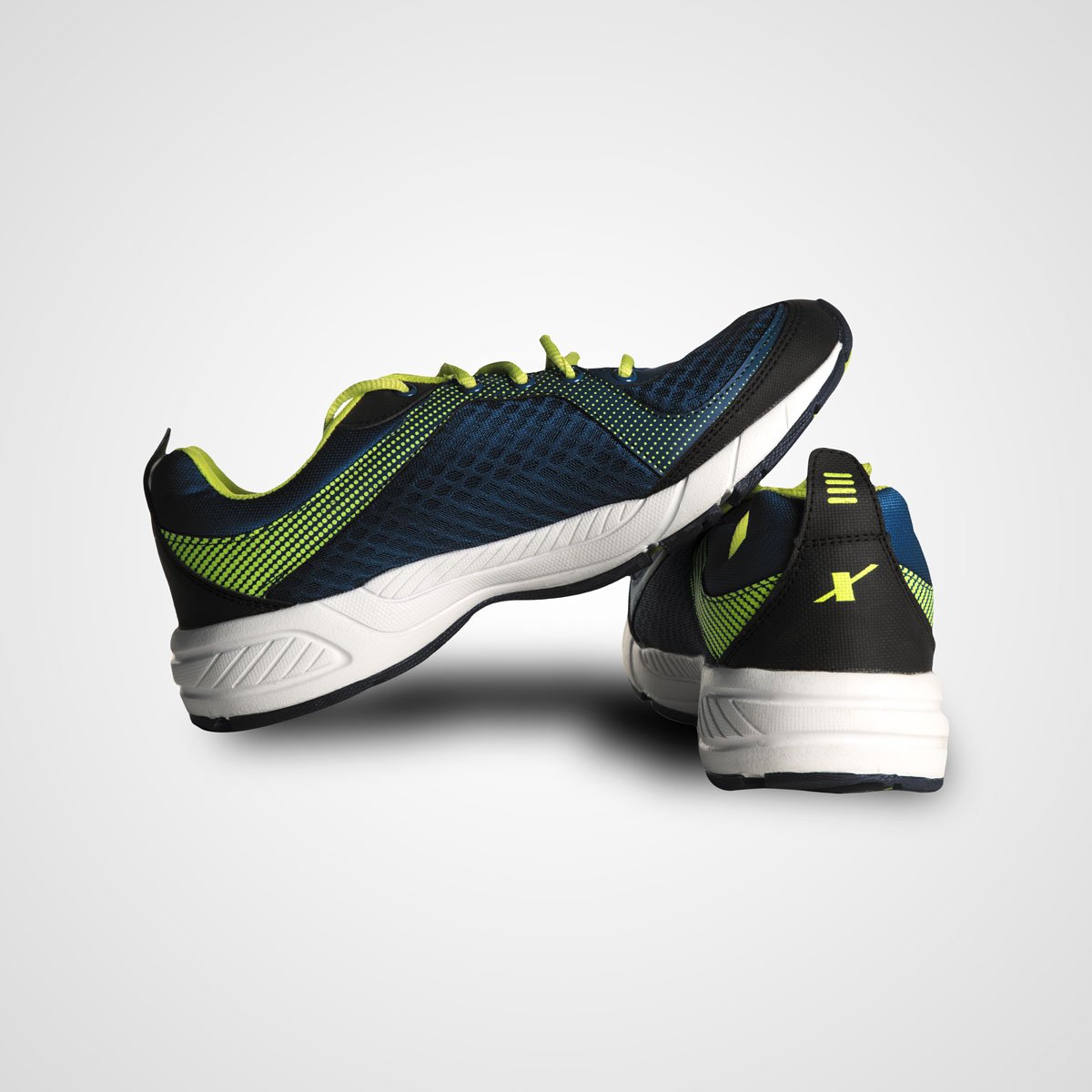
Breathable panels can help during warm days, but ventilation must be balanced with structure. A very open mesh upper may feel cool yet allow too much movement if the lacing and heel construction are weak. A closed synthetic or leather-like upper can be easier to wipe clean, but may retain more heat.
Choose moisture-managing socks and allow shoes to dry between wears. Tight socks, thick seams and compressed insoles can create discomfort even when the stated shoe size appears correct.
Walking shoes for work, travel and exercise
- Work and commuting: Prioritise reliable grip, a secure heel and a colour that works with your usual clothing.
- Travel days: Look for all-day fit, moderate weight and an upper that is easy to maintain.
- Fitness walking: Choose a responsive forefoot, consistent cushioning and firm control through faster steps.
- Long periods of standing: Check pressure under the heel and forefoot as well as walking comfort.
One pair may cover several uses, but no shoe should be treated as universal. A flat gym shoe, a soft running shoe and a formal casual sneaker can feel very different over a full day.
Buying walking shoes online
A reliable listing should show the shoe from several angles and explain the size system. Read the materials and closure details, then compare them with your route and climate. Reviews can describe another customer’s experience, but they cannot replace your own measurements.
- Confirm whether sizes are EU, UK, US or brand-specific.
- Check top, side, rear and outsole photographs.
- Look for adjustable lacing or another closure that suits your foot volume.
- Read the current returns and exchanges policy before testing the pair.
- Review shipping and delivery information before checkout.
Browse the Shoezhub men’s collection for currently published footwear. Product availability changes, and an athletic appearance does not guarantee that a pair is designed for long-distance or medical walking needs.
Care and replacement signs
Remove dry dust gently and follow the material instructions for deeper cleaning. Dry damp shoes naturally away from heaters and direct sun. If the insole is removable, air it separately when appropriate. Avoid storing a damp pair in a closed bag.
Consider replacement when the outsole becomes smooth, the heel leans, cushioning feels uneven, the upper no longer secures the foot, or discomfort appears repeatedly. Wear depends on the shoe, body, surface and frequency, so a single time or distance rule is not reliable for everyone.
Quick walking-shoe checklist
- Heel hold is secure without rubbing.
- Toes have space to move and are not touching the front.
- The forefoot bends naturally during a step.
- The middle of the shoe does not twist excessively.
- Cushioning feels stable across turns and stops.
- The outsole matches the surfaces on the planned route.
Questions about walking shoes in Pakistan
Can running shoes be used for walking?
Many running shoes can work for walking if the fit and stability feel right, but very soft or highly shaped models may not suit every walker. Test the full walking motion indoors.
Are flat shoes good for long walks?
A low profile can be comfortable, but very thin or unsupported shoes may feel harsh over long periods. Judge the complete fit, sole and route rather than heel height alone.
Should walking shoes feel tight at first?
No. Do not rely on painful pressure disappearing later. The shoe should feel secure but comfortable during the indoor trial, with enough room for the toes.
How do I choose walking shoes for wide feet?
Measure width as well as length, look for an appropriate toe shape and check whether the seller provides width information. Buying a longer shoe is not always a good solution for insufficient width.
Build comfort from the correct fit
The most practical walking shoes in Pakistan combine enough toe room, steady cushioning, a controlled heel and an outsole suited to daily surfaces. Measure first, compare the exact product information and test both shoes indoors. Comfort comes from the whole construction, not one feature printed on the box.
Sources and review notes
General shoe-fit guidance is informed by the American Academy of Orthopaedic Surgeons and Guy’s and St Thomas’ NHS Foundation Trust. This article provides general footwear information, not medical diagnosis or treatment.