
Chelsea Boots: Fit, Styling and Care in Pakistan
Chelsea boots are ankle-height slip-on boots with elastic side panels and usually a pull tab at the back. Their clean shape works with jeans, trousers, suits and winter traditional clothing. In Pakistan, they are most useful during cooler, drier periods, but the upper material and sole still need to match local dust, rain and walking surfaces.
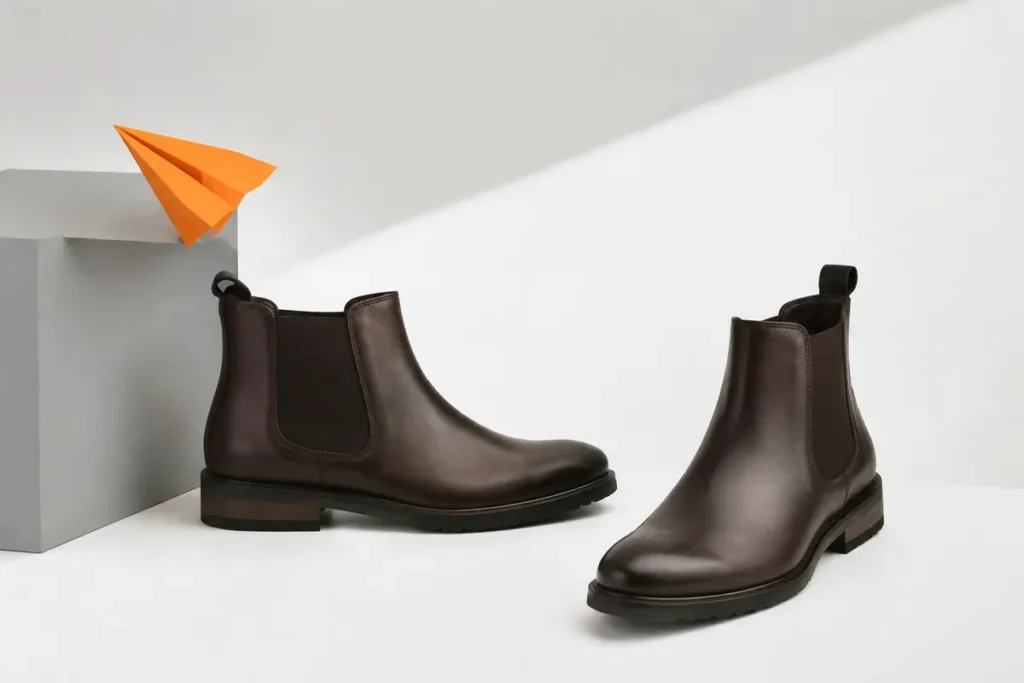
Chelsea boots: identify the structure
The key Chelsea construction is an ankle boot without laces, using elastic gussets on both sides to open and close around the foot. The toe can be round, almond or pointed, and the sole can be slim, rubber or lugged.
Not every laceless ankle boot is a Chelsea. Zips, buckles or large stretch panels can create related styles, but the classic form uses side elastic. Dress Chelseas and rugged lug-sole versions share the upper concept while serving different outfits and routes.
- Dress Chelsea: A slim leather boot with a refined sole and controlled toe, suitable for tailoring and smart clothing.
- Suede Chelsea: A softer, more casual version that works well in dry weather but needs dust and moisture care.
- Lug-sole Chelsea: A thicker tread and bulkier profile for casual or rougher routes. The weight and flexibility differ from dress soles.
- Pointed Chelsea: An elongated toe creates a sharper line. Usable toe space must remain before the taper.
Fit and movement checks
The elastic should allow entry without leaving the ankle loose. The heel should stay controlled and the instep should not be painfully compressed. Try with the sock thickness planned for cooler weather because volume changes quickly in a slip-on boot.
- Use the pull tab rather than crushing the heel counter when putting the boot on.
- Walk and check heel lift, especially on stairs and faster steps.
- Feel both elastic panels for even tension and inspect their stitching.
- Check that the ankle edge does not rub the bone during flexion.
- Test outsole grip and weight for the routes where the boot will be worn.
Start with measured foot length and the Shoezhub size guide, then follow the exact product chart. Last shape, width, lining, lacing and socks can make the same printed size fit differently.
Match the boot to season and clothing
Slim black or dark-brown leather Chelseas can work with suits, formal trousers and structured shalwar kameez. Suede and lighter brown suit denim, chinos and winter casual layers. Lug soles create a heavier look and need wider trouser openings.
Pakistan\’s warmer regions limit the comfortable season for lined boots. Choose breathable socks, allow the pair to dry between wears and avoid using heavy boots simply for appearance in hot conditions. During rain, the maker\’s weather guidance matters more than the boot label.
Materials, care and useful limits
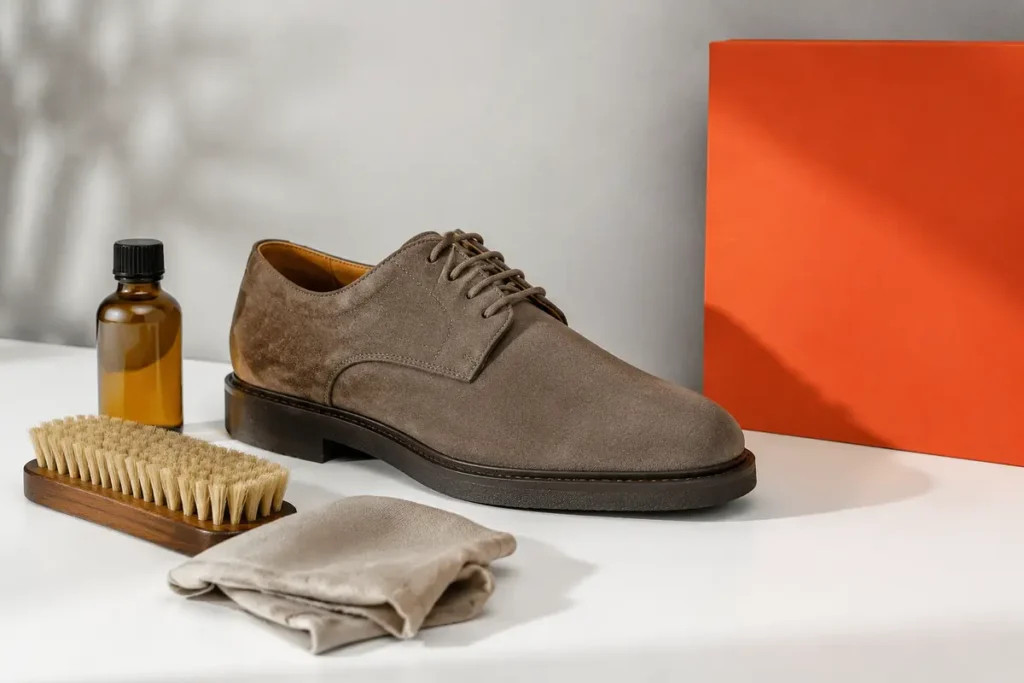
Wipe smooth leather after dusty wear and use suitable conditioner or polish. Brush suede only when dry and with an appropriate tool. Keep products away from elastic panels unless the instructions allow contact.
Use light internal support while drying, keep boots away from heaters and check the pull tab and elastic for strain. Alternate pairs so moisture leaves the lining. Replace worn heel or sole components before balance changes.
What to verify before ordering
Ask for ankle opening, shaft height and sole details where available. Inspect both elastic panels and the rear seam. Claims such as waterproof or winter boot should be supported by construction details and maker information.
- Read the stated upper, lining and outsole materials.
- Check side, rear, top and sole photographs.
- Confirm closure, heel or sole height and intended use.
- Review returns and exchanges before outdoor wear.
- Check current shipping and delivery information before checkout.
Shoezhub does not currently promise a Chelsea boot category, so the article is educational rather than a product claim. Check the live Shoezhub catalogue rather than treating an educational article as a stock promise.
A practical planning note
Before buying boots online, measure the widest ankle area and compare the shaft opening if the seller provides it. Think about how the trouser hem will fall over or above the boot. A slim dress Chelsea under narrow trousers needs different proportions from a lug-sole boot with denim. For travel, account for added weight and airport removal; slip-on convenience helps only when the boot can be removed without damaging the heel.
Common mistakes to avoid
Chelsea boots look clean because they remove laces, but this makes elastic and last shape critical. Avoid these errors.
- Pulling the boot on by crushing the heel counter instead of using the rear tab carefully.
- Accepting excessive heel lift because there are no laces to adjust it.
- Using suede or a dress sole in heavy rain or on rough routes without checking maker guidance.
- Buying for winter appearance in a warm climate without considering lining, socks and drying time.
A short indoor trial, accurate product information and a realistic view of the route usually reveal these problems before the pair is committed to outdoor wear.
Questions shoppers ask about Chelsea boots
Are Chelsea boots formal?
Slim dark leather Chelseas can be dressy enough for many business and event outfits. Suede and lug-sole versions are more casual.
Should Chelsea boots be tight around the ankle?
They should feel secure without cutting or restricting normal movement. Elastic should return to shape and the heel should not lift excessively.
Can Chelsea boots be worn with shalwar kameez?
Yes, particularly with tailored, winter or formal versions. Choose a clean toe and sole proportion that suits the trouser opening.
Are suede Chelsea boots suitable for rain?
Suede is less forgiving in wet conditions. Follow the maker\’s care guidance and choose another material for heavy rain or muddy routes.
Choose according to purpose
Chelsea boots work because the shape is clean and easy, but the slip-on construction makes fit and elastic quality important. Select material and sole for the actual season, then check heel hold and ankle movement before relying on the pair.
Related guides: Suede Shoes: Cleaning and Care Guide and Oxford Shoes: Types and Formal Wear Guide.
Sources and review notes
Fit and general shoe-selection points are based on guidance from the American Academy of Orthopaedic Surgeons and Guy’s and St Thomas’ NHS Foundation Trust. This article is general education, not personalised medical advice. Persistent pain, altered sensation or injury should be discussed with a qualified healthcare professional.