
Pencil Heels: Balance, Fit and Occasion Guide
Pencil heels are recognised by a long, narrow heel that resembles the straight profile of a pencil. Retailers often use the term interchangeably with stiletto, although the exact height and taper can vary. The slim base creates a formal silhouette, but it also demands more attention to alignment, walking surface and a secure upper.
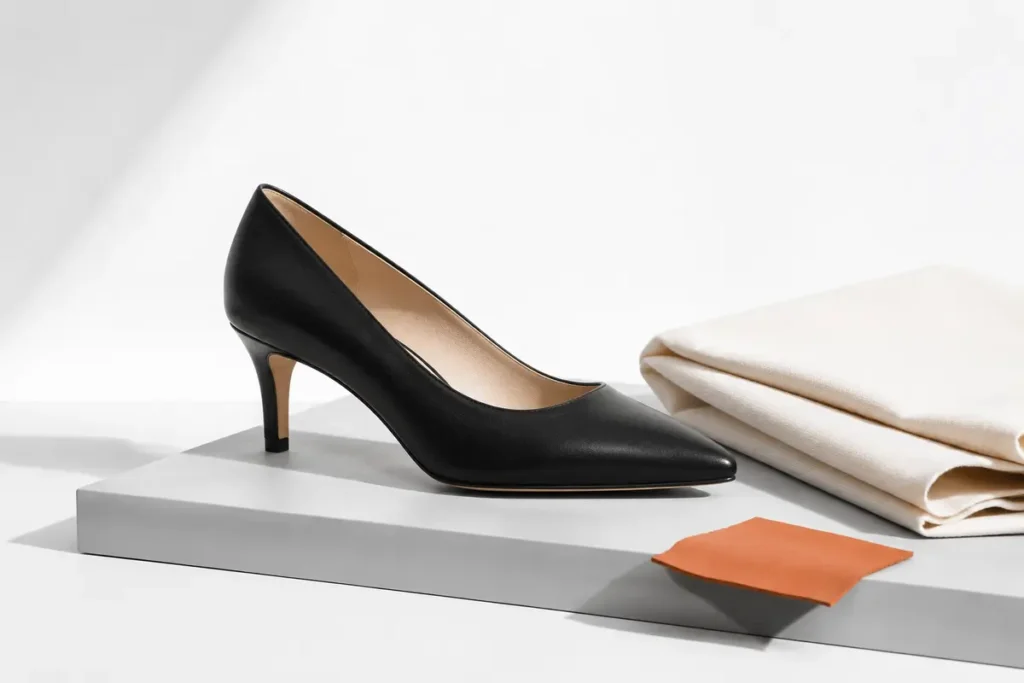
pencil heels: what the term actually means
The phrase describes the heel base rather than the complete shoe. Pencil heels can appear on closed pumps, slingbacks, sandals and boots. Some are mid-height; others are very high. Two pairs with the same listed height may feel different because one has a platform, a different toe spring or a more supportive upper.
A pencil heel is not defined by a universal measurement. A stiletto usually means a tall, very slim heel, while pencil heel may be used more broadly for narrow straight designs. Since online labels are inconsistent, use side and rear photographs plus the measured height rather than relying on the name.
- Closed pump: The enclosed toe and heel can hold the foot more securely when the size and width are correct, but a narrow toe box may compress toes.
- Slingback: The rear strap reduces visual weight and can improve hold when it sits firmly without sliding down.
- Strappy sandal: The foot is more exposed, so strap placement and forefoot grip become critical to prevent forward movement.
- Platform pencil heel: A raised forefoot changes the effective pitch. It may reduce the relative slope, but added sole thickness can feel less flexible.
Fit comes before styling
The smaller contact point makes wobble easier to notice. Fit should be secure enough that the shoe moves with the foot rather than after it. Do not size down simply to stop slipping; that can transfer the problem to compressed toes and pressure across the forefoot.
- Stand with feet naturally spaced and notice whether the heel stays vertical instead of tilting inward or outward.
- Walk slowly, then turn. The back of the shoe should not lag behind the foot or twist around the heel.
- Check that toes lie flat and the ball of the foot does not slide into a pointed tip.
- Test the outsole on a safe indoor surface; smooth soles may need extra caution even when the heel itself is well made.
- Inspect the heel tip for a complete, even cap and a firm connection to the shoe.
When ordering online, compare the brand or seller measurements with the Shoezhub shoe size guide. A familiar size number is a starting point, not proof of fit, because toe shape, lining, straps and construction all change the usable space inside a shoe.
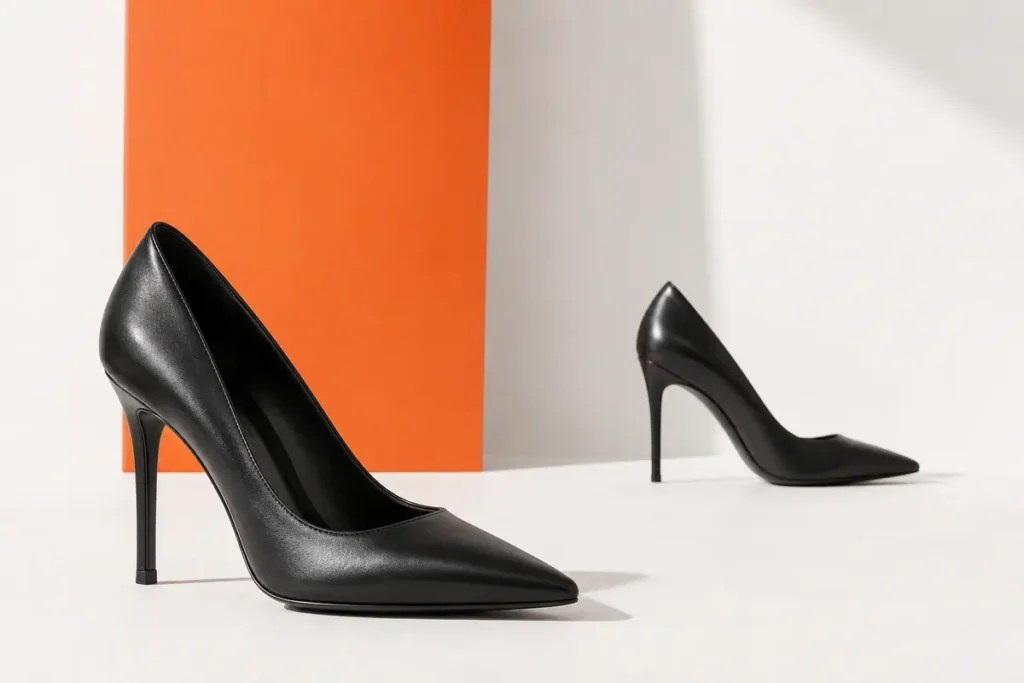
Reserve narrow heels for suitable surfaces and schedules
Pencil heels can suit dinners, formal photographs and indoor wedding events where the route is short and the floor is even. They are less practical for lawns, broken paving, long queues or venues with many stairs. Carrying a second pair is sensible when the schedule extends beyond the part that requires formal footwear.
With long Pakistani formal clothing, make sure the hem clears the heel during steps and turns. Narrow heels can catch in delicate fabric or sink into soft ground. Practise walking in the complete outfit and check that the shoe does not snag on net, lace or loose embellishment.
Materials, construction and care
The heel tip takes concentrated wear. Check it before and after use and have a worn tip replaced by a competent shoe repairer before the metal or inner structure is exposed. Do not continue wearing a heel that feels loose or makes a new clicking movement.
Store each shoe so the narrow heel is not pressed sideways under other footwear. Clean the upper according to its material and keep sharp embellishments in separate bags. A dry indoor trial protects the sole if a return is needed.
Shopping online in Pakistan: what to verify
A useful listing shows the rear view, heel tip and side profile. If the seller provides only front photographs, request more information. Confirm whether the height includes a platform and whether the stated measurement is approximate.
- Read the upper, lining and sole materials instead of judging only from colour.
- Check whether the listing gives heel height, closure type and a usable size chart.
- Look at the sole pattern and heel attachment in every available product photo.
- Review the returns and exchanges terms before removing labels or wearing the pair outdoors.
- Confirm current charges and service information on the shipping and delivery page.
Shoezhub sells selected women\’s occasion styles; use the live product photographs and specifications to identify the actual heel structure. Browse the current Shoezhub store for live availability; an educational guide should never be treated as a promise that a particular style, colour or size is in stock.
Questions shoppers ask about pencil heels
Are pencil heels the same as stilettos?
The terms overlap in retail use. Stiletto usually suggests a very slim, often high heel, while pencil heel may include other narrow straight designs. Check photos and measurements rather than depending on terminology.
Are pencil heels suitable for beginners?
A lower, wider heel is often easier to learn in. If choosing a pencil heel, start with a secure upper, moderate height, short indoor practice and a level surface.
Can pencil heels be comfortable?
They can fit well for limited wear, but no heel type guarantees comfort. Toe room, pitch, cushioning, upper hold, walking time and individual needs all matter.
How do I stop a pencil heel sinking into grass?
The safer option is a wider heel or different shoe. Commercial heel protectors exist, but they change the contact point and must fit securely; test them before the event.
Choose for the way you will wear them
Pencil heels are a deliberate formal choice, not an all-purpose shoe. Use them when the venue, route and wearing time support a narrow base. Good alignment, a secure upper and a realistic backup plan matter more than adding another centimetre of height.
For a wider comparison, read Stiletto Heels: Height, Support and Styling Guide and 3 Inch Heels: Height, Fit and Wearability.
Sources and review notes
This article uses practical fit guidance from the American Academy of Orthopaedic Surgeons, shoe-selection advice from Guy’s and St Thomas’ NHS Foundation Trust, and sandal safety guidance from the American Podiatric Medical Association. It is general educational information, not a diagnosis. Persistent pain, numbness or skin injury deserves advice from a qualified healthcare professional.