
Running Shoes in Pakistan: Fit, Cushioning and Buying Guide
Choosing running shoes in Pakistan starts with the way you run, not the colour of the upper. A pair that looks athletic may be suitable for casual wear but still lack the fit, cushioning or outsole needed for regular running. Road surfaces, warm weather, dust and the length of each session also affect what feels practical.
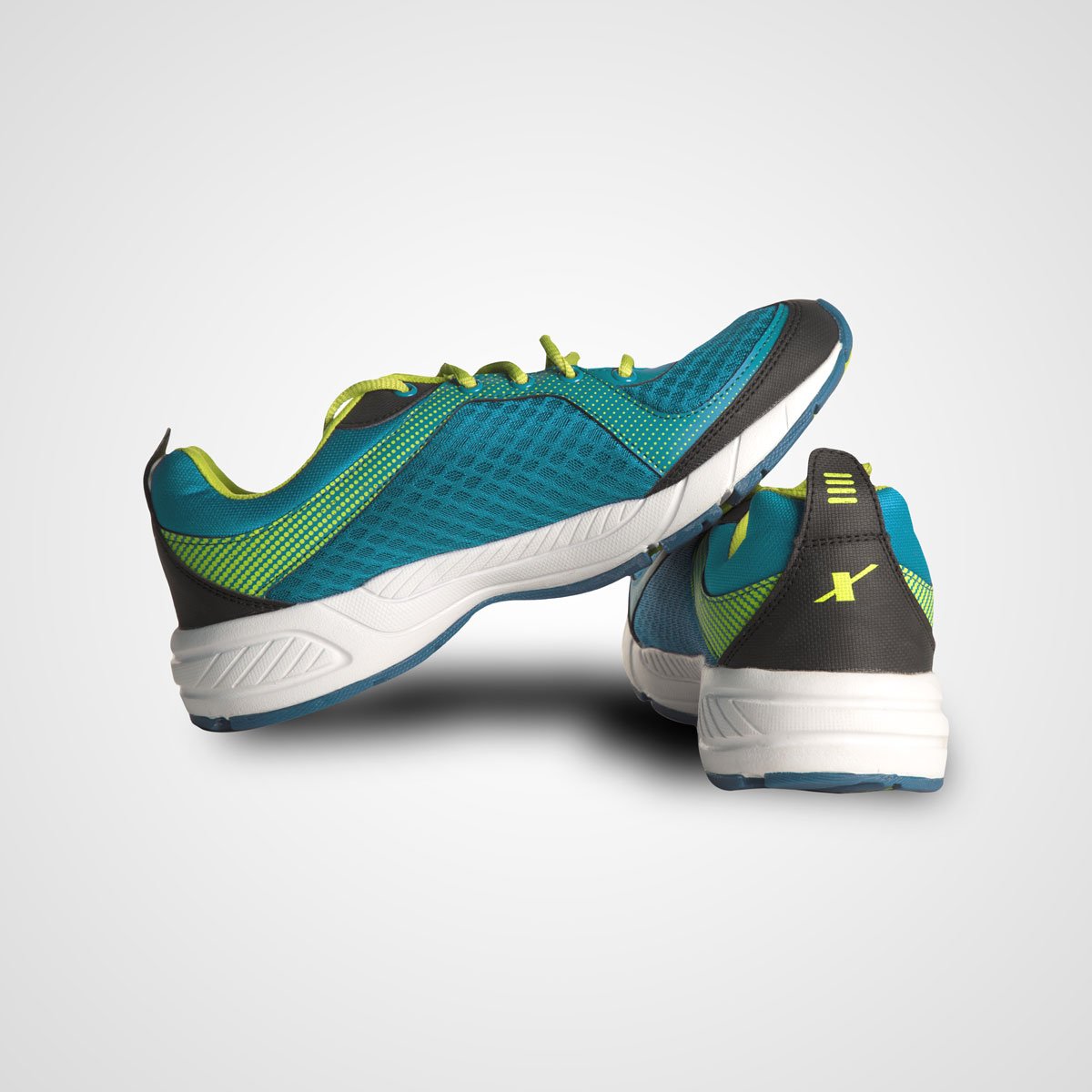
Start with your intended use
Running shoes are designed around repeated forward movement. Casual sneakers may prioritise appearance and everyday comfort, while gym shoes may use a flatter, more stable base for strength work and side-to-side movement. One pair can sometimes handle light mixed use, but it should not be assumed that every sporty shoe is suitable for every activity.
- Short road runs: Look for secure heel hold, comfortable forefoot space and an outsole that grips the surfaces you use.
- Longer regular runs: Pay closer attention to cushioning consistency, weight, ventilation and how the shoe feels after more than a few minutes.
- Treadmill sessions: A smooth transition and secure fit may matter more than deep outdoor tread.
- Gym and running combined: Consider whether the soft cushioning that feels good while running also feels stable during lifting or lateral movement.
If you are comparing retail terms, read Sneakers vs Joggers: What Is the Difference?. Product names are useful labels, but construction and intended use are more reliable guides.
How running shoes should fit
A good fit holds the heel without squeezing the toes. Feet can differ in length and width, so measure both and use the larger measurement when comparing a product-specific chart. Try shoes with the type of socks you expect to wear while running.
- Check that the heel stays secure during a normal walking and jogging motion.
- Leave useful space in front of the longest toe without allowing the foot to slide forward.
- Make sure the widest part of the foot aligns with the widest part of the shoe.
- Feel for pressure from seams, overlays, eyelets or a narrow toe shape.
- Test both shoes indoors on a clean surface before removing labels or wearing them outside.
Use the Shoezhub size guide as a measurement reference, then confirm the chart shown for the exact product. A stated size is only one part of fit; width, toe shape, lacing and sock thickness also matter.
Cushioning is not the same as softness
Very soft foam can feel comfortable during the first few steps, but running comfort also depends on stability, flexibility and how evenly the sole supports movement. Pressing the midsole with a thumb is not a complete test. Walk, turn and perform a gentle jog indoors to notice whether the foot remains centred over the sole.
Runners who prefer more ground feel may choose a firmer, lower profile. Others may prefer more cushioning for longer sessions. There is no single correct amount for everyone. If you use prescribed orthotics or have ongoing foot, ankle or knee pain, ask an appropriate health professional for individual advice.
Check the upper, lacing and ventilation
The upper should secure the midfoot without creating hot spots. Mesh can improve airflow, but the structure around the heel and laces still needs to control movement. In warm conditions, breathable socks and a well-ventilated upper can be more useful than adding extra padding.
Laces should allow small adjustments across the instep. Tightening them aggressively is not a solution for a shoe that is too wide or too long. Likewise, loosening the front cannot create enough space if the toe box is fundamentally too narrow.
Choose an outsole for real routes
Think about the roads, pavements, tracks and indoor surfaces you actually use. A smooth outsole may feel light but offer limited confidence on dusty or wet ground. Deep lugs intended for trails may feel awkward on flat indoor floors. Inspect the rubber coverage, flex points and tread pattern rather than relying on colour or a rugged appearance.
Buying running shoes online in Pakistan
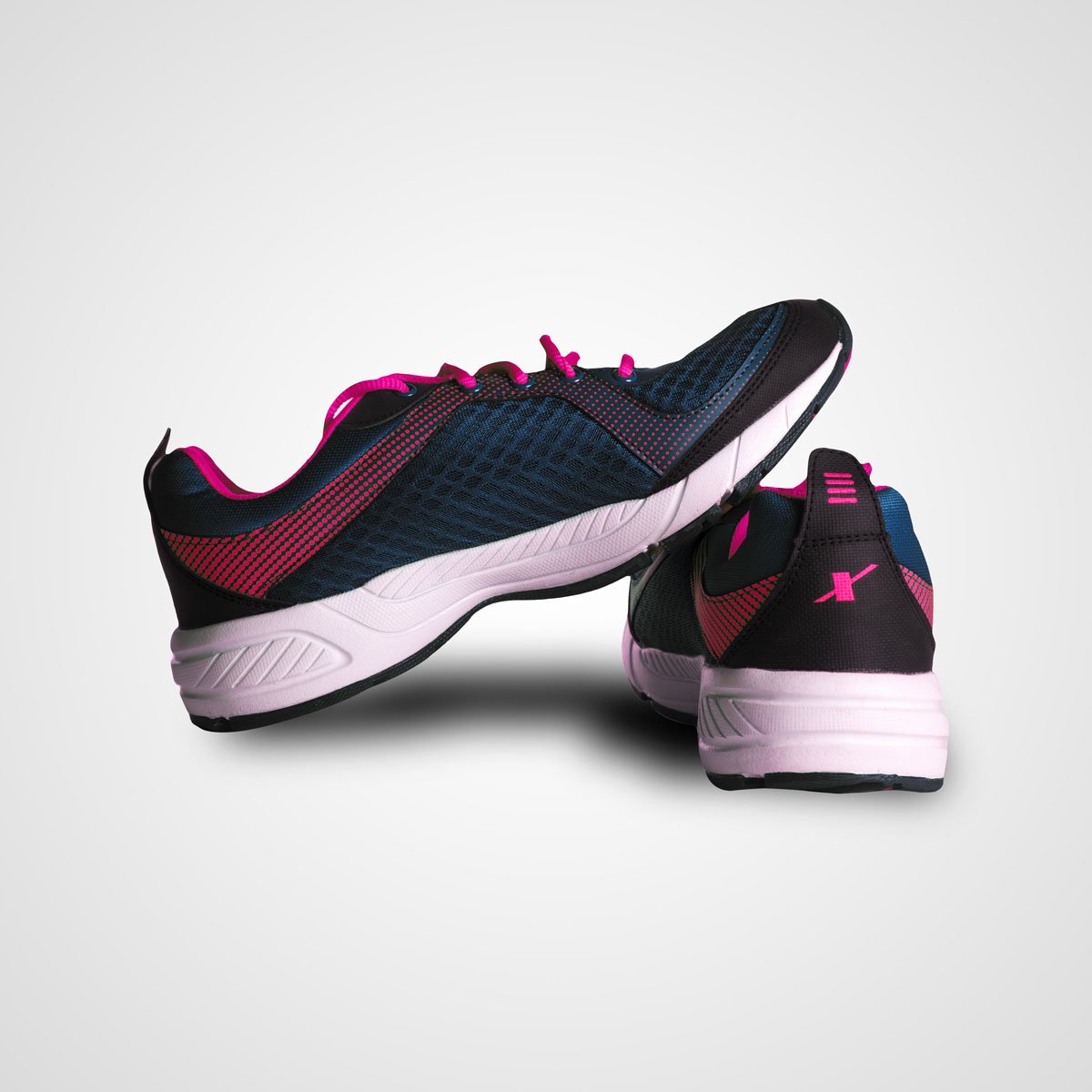
Online shopping works best when the listing provides more than one photograph and a clear size chart. Look for side, rear, top and outsole views. Read the material and use information carefully, and do not treat an athletic silhouette as proof of technical performance.
- Measure both feet and compare the result with the product-specific chart.
- Check whether the listed size system is EU, UK, US or another standard.
- Confirm the upper, lining, midsole and outsole information when it is provided.
- Read the current returns and exchanges policy before outdoor use.
- Check shipping and delivery information before placing the order.
The Shoezhub men’s collection shows current published products. Availability and suitability can change, so assess each listing on its own information rather than assuming every pair shown is designed for running.
Care for shoes after a run
Remove loose dry dust with a soft brush or cloth. If the shoes become damp, take out removable insoles when appropriate, support the shape and let the pair dry naturally in moving air. Direct heat and strong sun can affect adhesives, foam and upper materials. Follow the maker’s care instructions before using soap or cleaning products.
Rotate pairs when possible so moisture can dry between sessions. Replace a running shoe when the outsole is badly worn, the upper no longer holds the foot, the midsole feels uneven, or the pair repeatedly causes discomfort. A fixed replacement distance cannot describe every runner, surface and shoe.
Quick selection checklist
- The shoe matches the intended activity and route.
- The heel is secure and the toes can move naturally.
- The widest part of the foot sits in the widest part of the shoe.
- Cushioning feels controlled, not unstable.
- The outsole suits dry, dusty and occasionally wet surfaces you may encounter.
- The return conditions are understood before outdoor wear.
Questions about running shoes in Pakistan
Can I use casual sneakers for running?
Some may handle occasional short use, but appearance alone does not confirm running suitability. Check fit, cushioning, flexibility, grip and the maker’s intended use.
Should running shoes be one size larger?
Do not automatically add a full size. Measure both feet, allow useful toe space and follow the exact product chart because sizing systems and shoe shapes vary.
Are softer running shoes always more comfortable?
No. Softness is only one factor. Stability, fit, transition, upper hold and the surface underfoot all influence comfort.
How should I test a pair bought online?
Wear both shoes indoors with running socks. Walk, turn and jog gently on a clean surface while checking heel hold, toe space and pressure points. Keep the pair in returnable condition until the fit is confirmed.
Choose by movement, not only appearance
The best running shoes in Pakistan are the ones that match your feet, route and training pattern. Start with accurate measurements, check the construction and test the fit indoors. A careful ten-minute assessment is more useful than choosing by colour, trend or a broad product label.
Sources and review notes
General shoe-fit guidance is informed by the American Academy of Orthopaedic Surgeons and Guy’s and St Thomas’ NHS Foundation Trust. This article provides general footwear information, not medical diagnosis or treatment.